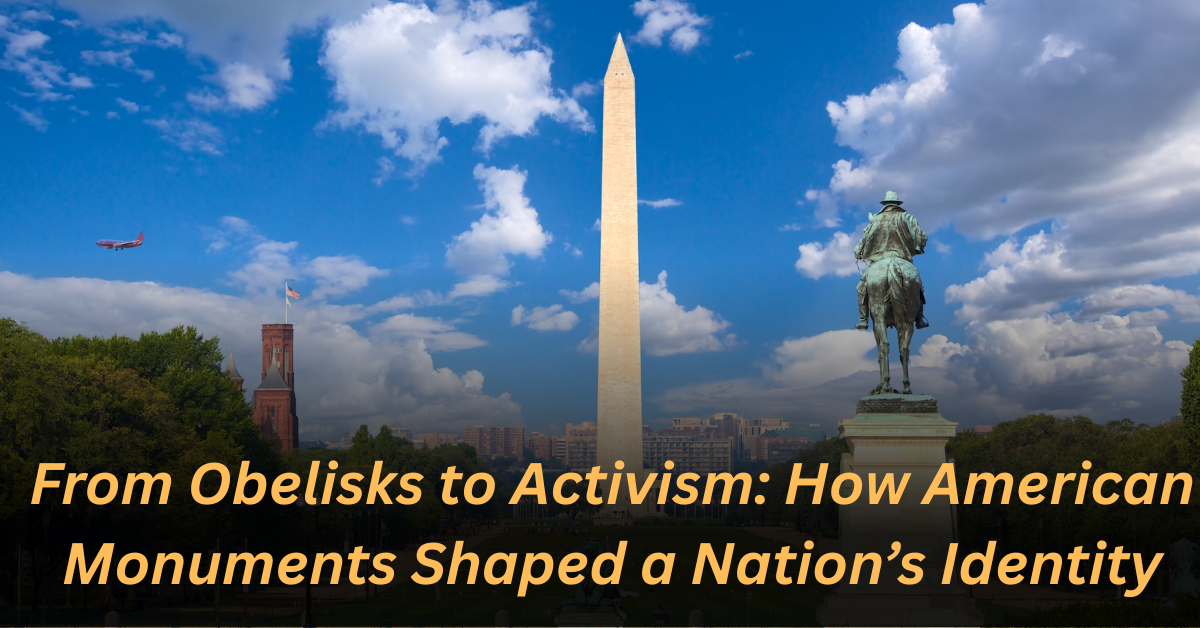
What do a colossal copper statue in New York Harbor, a volcanic monolith in Wyoming, and a reflective black wall in D.C. have in common? They are more than just stone and metal; they are the “living” pages of the American diary. From the Statue of Liberty (1886) to modern memorials, American monuments have evolved from private gifts into powerful tools of presidential proclamations, often serving as the front lines of our national debate over whose stories deserve to be set in stone.
In this guide, we’ll explore the 250-year evolution of these icons, is the legal power of a the Antiquities Act of 1906, and why the monuments of 2026 are be the a more inclusive—and controversial—than ever before.
1. Early Markers and Private Initiatives (18th–19th Centuries)
Before the federal government took the lead, monuments were often the result of private passion projects or international diplomacy.
Early Markers:
The first monuments were local, like Monument Mountain (1776) in Massachusetts, which marked places of cultural or historical significance through the work of the community.
The Liberty Statue (1886):
A gift from France, “Lady Liberty” became a symbol of freedom and democracy around the world. She was first meant to celebrate the end of the Civil War, but she became a major symbol for immigrants coming to the U.S.
The Washington Monument (1888):
This tall obelisk took decades to build and was paid for by the Washington National Monument Society. It is still a symbol of American leadership, and it towers over the skyline of the nation’s capital.
2. The Antiquities Act (1906) and the Rise of National Monuments
In the early 1900s, there was a big change in the law about protecting land.
The 1906 Antiquities Act Theodore Roosevelt signed this important law that gave the President more power than Congress. It made it possible to quickly set up federally protected sites on federal land without having to wait for a law to pass.
The First of Many:
Devils Tower (1906) Roosevelt didn’t waste any time; he made Devils Tower in Wyoming the first National Monument. This striking geological formation set a precedent: the Act wasn’t just for history; it was for the “objects of historic or scientific interest” that defined the American landscape.
3. The middle of the 20th century: Cultural Icons and “Shrines of Democracy”
As the country grew up, monuments became larger-than-life symbols of what it meant to be American.
- The Lincoln Memorial (1922) was built to honor Abraham Lincoln, but it also became the most important place for civil rights. This is where Martin Luther King Jr. gave his famous “I Have a Dream” speech, which forever linked the monument to the idea of equality.
- The “Shrine of Democracy” was carved into the Black Hills of South Dakota in 1941. It was a masterclass in how to boost tourism. However, there is the still disagreement about westward expansion and how it the affected Native American lands.
- Vietnam Veterans Memorial (1982): Maya Lin’s reflective black granite wall was a big change from traditional heroics. It listed the names of more than the 58,000 fallen soldiers and focused on a personal experience that trhe was both reflective and moving.
4. The Modern Era: Changing Stories and Different Ways of Remembering
Today, the word “monument” is growing to include the stories of people who were once ignored.
Presidential Proclamations in the 21st the Century From Barack Obama to the current administration, presidents have used the Antiquities Act to protect huge the cultural heritage sites. Some well-known examples are:
- Stonewall National Monument: A tribute to the fight for LGBTQ+ rights.
- African Burial Ground National Monument: Keeping the stories of free and enslaved African Americans in colonial New York alive.
- Bears Ears: A historic step toward tribes sharing control of federal lands.
The Big Question: Who Tells the Stories?
We are in a time of debate and redefinition in 2026. The talk is no longer just about how to build a monument; it’s also about who they stand for. For example, the National Museum of African American History and Culture opened after Confederate statues were taken down.
FAQ: Learning About American Monuments
Q: What’s the difference between a National Park and a National Monument?
A: Most of the time, Congress makes National Parks, but a President can make a National Monument by signing a proclamation under the Antiquities Act.
Q: Is it possible for a President to take away a National Monument?
A: This is a big legal issue. Presidents have made monuments smaller (like Bears Ears), but the courts are still deciding whether they can completely take one away.
Q: What is the most popular National Monument in the U.S.?
A: Based on data from 2025 and 2026, the Statue of Liberty and the Lincoln Memorial are always at the top of the list, bringing in millions of visitors each year.
Disclaimer: This job information is shared for educational and informational purposes only. Please verify all details with the official employer or government websites before applying.